
Crane County Property Records
Crane County property records are kept by the County Clerk in Crane, Texas. Deeds, liens, oil and gas leases, and other land instruments are filed here and open to the public. Crane County is in the Permian Basin region of West Texas, where oil and gas activity has driven a high volume of land transactions and mineral filings. This guide covers how to search property records in Crane County, what documents are on file, and where to get additional help.
Crane County Overview
Crane County Clerk Office
The Crane County Clerk is the official custodian of all property records in the county. The office records deeds, deeds of trust, mortgage releases, liens, oil and gas leases, mineral deeds, pipeline easements, surface use agreements, plat maps, and other land instruments. All documents filed here become part of the permanent public record and are indexed by party name.
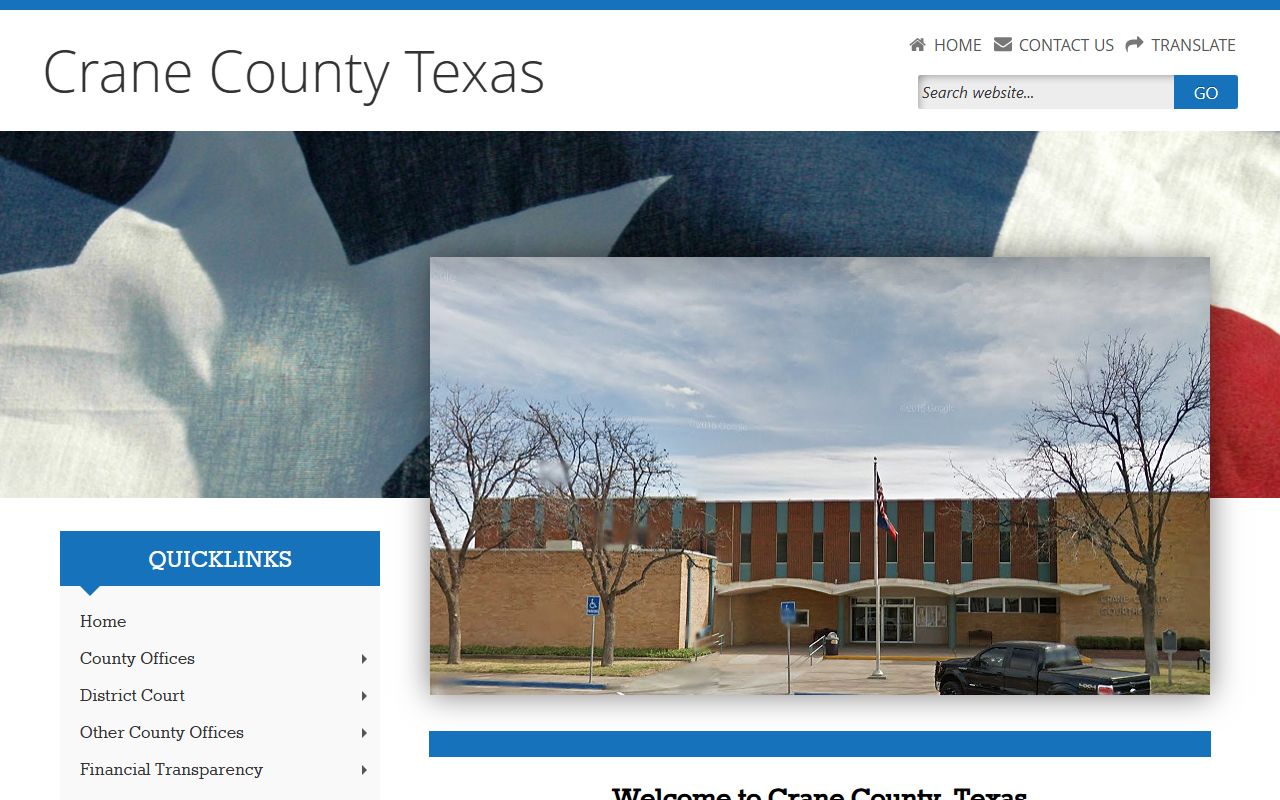
The clerk's office is located at the Crane County Courthouse in the city of Crane. Staff are available Monday through Friday during regular business hours. The county's location in the Permian Basin means that oil and gas filings are a large portion of the record volume, alongside standard residential and commercial real estate transactions. Staff can help you understand the filing system and how to access documents, but they cannot search records on your behalf or give legal advice.
| Office | Crane County Clerk |
|---|---|
| Address | Crane County Courthouse, Crane, TX 79731 |
| Hours | Monday through Friday, regular business hours |
| Website | co.crane.tx.us |
Online search options for Crane County records may vary. For recent records, the clerk's online portal or third-party tools may provide name-based searching by grantor or grantee. For older documents or a full title search, an in-person visit to the courthouse is often necessary. Public index books or terminals at the courthouse allow you to search the full record set going back to the county's formation.
How to Search Crane County Records
Start by searching the County Clerk's records by grantor or grantee name. This returns all documents tied to a person or business, including deeds, liens, and oil and gas leases. Use document type and date range filters if available to narrow results. The system shows instrument numbers, recording dates, and the parties involved in each document.
For in-person searches, go to the courthouse in Crane during business hours. The grantor and grantee index books cover the full history of recorded instruments. For a chain-of-title search, work backward from the current deed through earlier conveyances. Oil and gas researchers often need to trace both surface and mineral ownership separately, since the two estates may have been severed at some point in the chain.
Third-party tools like TexasFile may index some Crane County records. Always verify results against the clerk's official records before relying on them for any legal or financial purpose.
Note: Mineral title searches in Crane County often require reviewing a high volume of oil and gas lease filings and may take longer than a typical surface deed search.
Types of Property Records in Crane County
The County Clerk records all instruments affecting real and mineral property in Crane County. Under Texas Property Code Section 12.001, documents must be recorded to give legal notice to third parties. Each instrument receives an instrument number and is indexed by all named parties.
Common record types include warranty deeds, special warranty deeds, quitclaim deeds, mineral deeds, deeds of trust, mortgage releases, mechanic's liens, federal and state tax liens, lien releases, oil and gas leases, lease amendments, assignments of interest, pipeline easements, surface use agreements, right-of-way documents, pooling agreements, communitization agreements, and assumed name certificates. The Permian Basin location means oil and gas documents represent a large share of the county's filings, in addition to standard residential and commercial land records.
Under Texas Property Code Section 13.001, a recorded instrument is constructive notice to all future buyers and lenders. Anyone who later purchases or lends against property in Crane County is legally presumed to know about all previously recorded instruments.
Crane County Appraisal District
The Crane County Appraisal District maintains appraisal and ownership records for all taxable property in the county. The CAD database shows current ownership on the tax rolls, appraised value, exemptions applied, and property characteristics. It is a separate system from the County Clerk's deed records but useful for confirming ownership and property details.
Search the CAD online by owner name, property address, or account number. Mineral properties and surface tracts are appraised separately. If you believe your appraised value is too high, you can file a protest with the Appraisal Review Board by May 15 or within 30 days of receiving your notice of appraised value. The Texas Comptroller's Property Tax Assistance Division provides forms and guidance on the protest process. Note that CAD records may lag several months behind recent deed filings, so cross-check with the clerk's records for the most current ownership data.
Recording Fees and Procedures
Recording a document with the Crane County Clerk costs $26 for the first page and $4.00 for each additional page. Documents naming more than five parties to be indexed cost an extra $0.25 per name over five. These fees apply statewide under Texas law.
Documents can be submitted in person at the courthouse or by mail with a check or money order payable to the County Clerk. Include a self-addressed stamped envelope if you want the original returned. eRecording through authorized vendors may also be available. Once accepted, each document gets a unique instrument number and recording date. The clerk returns the original and then indexes it in the public record. Certified copies cost $5.00 plus $1.00 per page. Plain copies are less expensive and work for most research needs.
Texas Public Information Act
Property records in Crane County are public documents. Under Texas Government Code Chapter 552, the Public Information Act gives anyone the right to request government records without stating a reason. You don't have to own property in Crane County or be a party to any document to access the records.
The clerk must respond promptly to requests. If it takes longer than ten business days, the office must notify you of the timeline. For indexed records, the turnaround is typically short. The Texas Attorney General's Open Government Division handles disputes and publishes free guidance on public information rights in Texas.
Some personal information is redacted from online document images under Texas Property Code Section 11.008(k)(1-2). Social security numbers and financial account numbers are removed from online scans. Full information is retained in the original paper documents at the clerk's office.
Additional Resources for Crane County Research
The Texas General Land Office holds historical land grant records for Crane County dating back to the Republic of Texas and earlier land surveys. These records include field notes, patent documents, and historical survey maps. For early land history or mineral rights research, the GLO archive is a key starting point.
The Texas Secretary of State's SOSDirect system provides access to business entity records and UCC filings. For oil and gas operations and commercial property research in Crane County, SOS records can confirm the legal status of operators and other business entities named in recorded instruments. The Texas State Law Library provides research guides on Texas property and mineral law topics that are accessible to non-lawyers.
Nearby Counties
Crane County is in the Permian Basin region of West Texas and borders several other counties. Confirm the correct county for a property before searching records.